Comprehensive Manual for Waxing Hair Elimination Services: Bid Farewell to Undesired Hair
The "Ultimate Guide to Waxing Hair Removal Services" provides a comprehensive outline of productive hair removal approaches. It emphasizes the importance of deciding on the suitable type of wax customized to personal needs. Comprehending the waxing process and the required maintenance can boost results. Moreover, many misunderstandings about waxing remain. Examining these topics can assist clients grasp their options and achieve glossier skin. What revelations might alter their opinion of waxing?
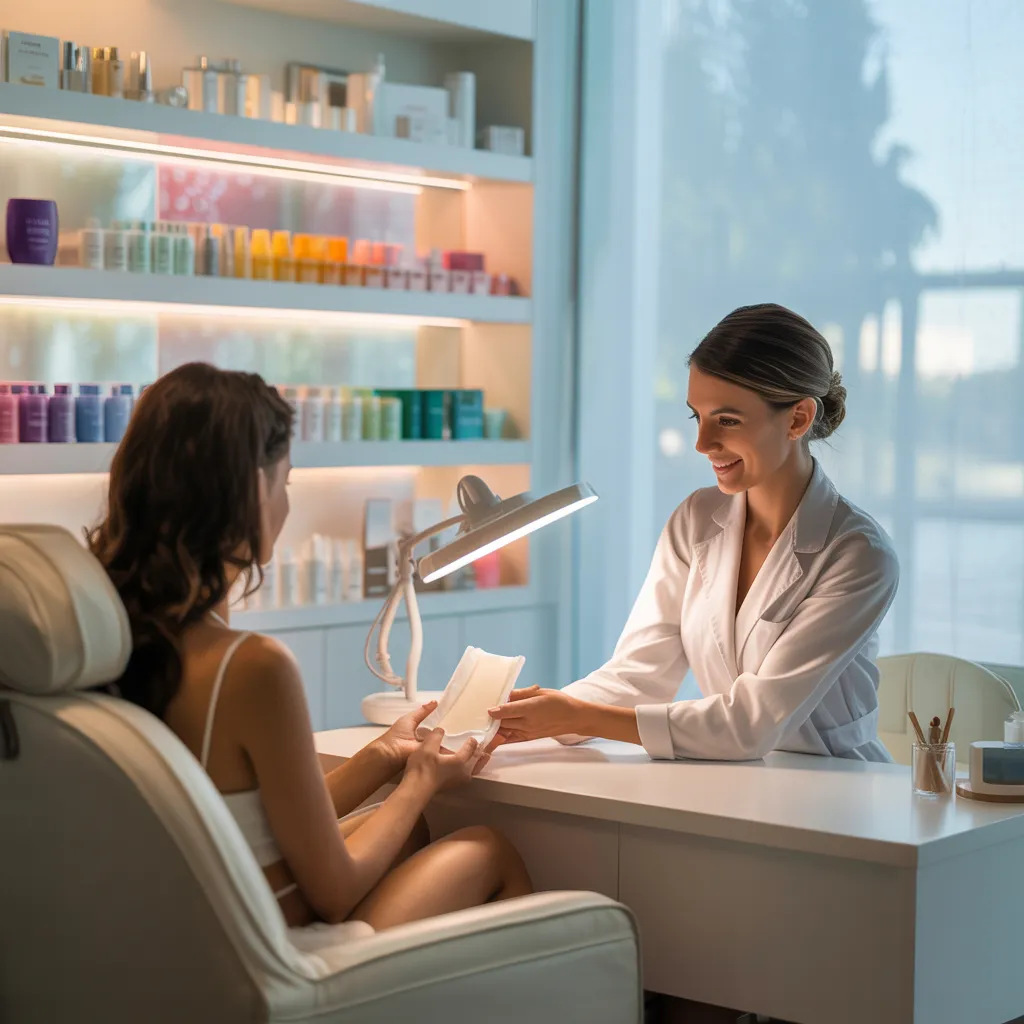
Why Choosing the Correct Wax is Crucial for Your Hair Elimination Process
Opting for the correct wax is indispensable for an effective hair removal process. The category of wax determined can notably influence both the relief during the procedure and the effects produced. Different formulations, such as hard wax and soft wax, match varying hair types and skin susceptibilities. Hard wax fastens to the hair rather than the skin, making it optimal for fragile areas, while soft wax is often favored for larger body areas due to its capability.
Additionally, the selection of wax can influence the span of hair-free skin. A excellent wax can reduce the probability of ingrown hairs and skin irritation, supporting a smoother finish. Additionally, some waxes contain soothing ingredients that can calm the skin post-treatment. Ultimately, comprehending these factors allows individuals to select a wax that matches their specific needs, enhancing their overall hair removal journey.
Selecting the Ideal Hair Removal Service for Your Requirements
Determining the appropriate waxing service requires careful consideration of numerous considerations. The skin type holds a vital position in determining the most compatible technique, while familiarizing yourself with different waxing methods can strengthen the total journey. Additionally, examining the qualifications of service providers confirms a safe and effective hair removal system.
Evaluate your skin condition when picking out personal care items. Different skin types require specialized formulations. Skin with excess oil performs best with delicate formulations. Dry skin necessitates potent moisturizers. Fragile skin requires soft and safe options.
Understanding one’s complexion type is essential for an successful waxing experience. Individuals with sensitive skin should opt for mild wax types, such as hypoallergenic or cool-temperature waxes, to minimize irritation. Conversely, those with regular skin may tolerate standard waxes, which can effectively remove hair without negative consequences. Oily skin types may gain from more pliable waxes that stick more effectively, while dry skin may require moisturizing products to prevent discomfort during the process. Additionally, individuals with skin issues such as eczema or psoriasis should consult with a professional to identify the safest options. By selecting a waxing service tailored to one’s specific skin type, clients can obtain great outcomes while reducing the risk of negative reactions.
Explore Depilation Methods Described
Different waxing techniques work for assorted hair types and body areas, making it critical to match the method with individual needs. Hard wax, often selected for fragile areas, adheres to hair rather than skin, minimizing discomfort. Soft wax, meanwhile, is effective for extensive areas like legs and arms; it calls for a cloth strip for removal. Sugaring, a more natural choice, uses a sticky paste made from sugar, lemon, and water, appealing to those pursuing organic options. For coarse hair, a combination of techniques may be recommended to guarantee thorough removal. Understanding these distinctions helps clients choose the most suitable waxing service, boosting their overall experience and satisfaction with the results.
Service Provider Expertise
Selecting the right waxing establishment is essential for reaching optimal results and guaranteeing a enjoyable experience. Clients should focus on service providers having proper training and certifications in waxing techniques. Proficient professionals comprehend skin types and hair growth patterns, allowing them to adapt services properly. In addition, verifying licenses and compliance with health regulations is essential for protection and sanitation. Feedback and suggestions from previous clients can give helpful insights into a provider's expertise and customer service. It is also advantageous to examine the salon's cleanliness and atmosphere, as an welcoming environment creates a good experience. By reflecting on these credentials, individuals can securely opt for a waxing establishment that meets their specific needs and desires.
What Occurs During Your Hair Removal Appointment?
During a waxing appointment, clients typically begin with a consultation before waxing to consider their skin profile and any apprehensions. This secures a tailored approach to the waxing application. After the offering, professionals share post-care advice to enhance results and minimize irritation.
Preparatory Waxing Session Approach
What can one anticipate from a pre hair removal consultation? During this initial meeting, the esthetician gathers essential information to tailor the waxing experience. Clients are queried about their waxing history, skin sensitivities, and any medications that might influence the process. The helpful resource esthetician will explain the types of wax available and suggest the best option based on individual skin types and hair conditions. In addition, the consultation covers a review of potential side effects and aftercare instructions. This also serves as an opportunity for clients to express any concerns or ask questions about the procedure. Overall, the pre-waxing consultation aims to ensure that clients feel comfortable and informed before starting the waxing service.
Post-Waxing Care Tips
Once the pre-waxing consultation is complete, the waxing session commences, focusing on the treatment process. Proper post-waxing care following the session is vital to maintain skin health and comfort. Clients should avoid warm soaks, saunas, and intense exercise for no less than 24 hours to lessen irritation. It is also recommended to avoid exfoliating products or strong chemicals on the treated skin for several days. Applying a gentle moisturizing lotion can aid in soothing any redness or sensitivity. Additionally, wearing relaxed clothing can help prevent friction and discomfort. If any abnormal reactions occur, seeking professional help is recommended. By following these post-waxing guidelines, clients can achieve soft skin while minimizing potential side effects.
Post-Treatment Guidelines for Flawless Skin
Proper aftercare is essential for achieving silky texture following wax hair removal. To reduce irritation and ensure optimal outcomes, individuals should steer clear of hot showers, steam rooms, and strenuous exercise for at least 24 hours post-wax. This works to avoid swelling and allows the skin to recover.
Rubbing in a calming moisturizer or aloe vera gel can hydrate the skin and minimize redness. It is also important to steer clear of using abrasive exfoliants or fragrances in the days after waxing, as these can irritate sensitive skin. Instead, selecting mild, non-comedogenic products will support healing.
Furthermore, maintaining proper hydration contributes to skin flexibility and general health. Choosing loose-fitting clothing minimizes irritation and pain in the treated region. Regular moisturizing can preserve skin smoothness and prevent ingrown hairs. Following these aftercare tips ensures a comfortable experience and extends the waxing results.

Top 5 Common Misconceptions About Waxing: What You Require to Learn
Does hair removal through waxing really hurt as much as people believe? This common myth suggests that waxing is an intense experience. In truth, although there may be some sensitivity, many people find it bearable, particularly with frequent treatments. Yet another false belief is that waxing increases regrowth; in fact, it damages hair follicles gradually, resulting in softer regrowth. Others also believe that waxing is exclusively a female practice, but increasing numbers of men are selecting waxing treatments for various areas. Also, there exists a belief that waxing should only be performed in professional establishments, though DIY kits can prove effective when used properly. Similarly, many people assume that waxing harms the skin, but when performed correctly, it remains a secure hair removal approach having minimal side effects. Understanding these myths enables individuals decide wisely about their hair removal selections.
Common False Beliefs and Falsehoods Regarding Waxing
Why do so many folks hold misconceptions about hair removal? Many persons mistakenly believe that waxing inevitably results in pain, without realizing that level of pain depend on each person's sensitivity and waxing technique. Another widespread myth is that hair grows back thicker after waxing; actually, frequent waxing can lead to finer and sparser hair over time. Furthermore, some assume waxing is only meant just for women, but it has become more popular among men for various body areas.
Many individuals think that waxing outcomes only endure a few days, when in fact, outcomes can last anywhere from three to six weeks. Misunderstandings around skin sensitivity also remain, as many consider waxing is unsafe for sensitive skin, while proper care can lessen irritation. Tackling these misconceptions is crucial for making well-informed decisions about waxing as a hair removal option.
Frequently Sought Questions
How Long Do Waxing Results Typically Persist?
Waxing results generally last for three to six weeks, depending on individual hair growth cycles and the area treated. Regular waxing may result in finer hair regrowth over time, improving overall results and longevity.
Is Waxing Safe During Expectancy?
Hair removal through waxing throughout pregnancy is generally considered safe, but sensitivity may escalate. Pregnant individuals should consult with their medical professional before proceeding, confirming that any chosen methods are suitable for their specific circumstances and total wellbeing.
Is Waxing Secure for Irritable Skin?
Waxing can be secure for sensitive skin, but caution is advised. Testing a tiny area first is suggested to gauge reactions. Selecting mild products and talking to a professional can help minimize irritation and discomfort.
What Ought to I Dress in for My Wax Consultation?
When attending a wax session, choosing roomy, cozy clothing is preferred. This assists in avoiding tenderness afterward. Bypass tight garments or materials that could cause friction, securing a more pleasant encounter throughout and following the appointment.
How Regular Should My Waxing Schedule Be?
Typically, one should get waxed every four to six weeks. This frequency allows hair to develop to an suitable length for successful extraction while reducing discomfort and maintaining smooth skin. Individual hair growth rates may differ.